

African conversations

Insights and recommendations of African stakeholders on biocontrol technologies for malaria control

African Conversations

African Conversations Initiative

African voices shaping health priorities and innovations for Africa

African Conversations on new Technologies
100+

Experts

20+

Countries

Background

Our origins

<p data-start="201" data-end="1015">African Conversations was inspired by major advances in malaria control technologies and the need to understand how they fit within Africa’s diverse health contexts. Despite decades of concerted efforts to control and eliminate malaria, each year, more than 200 million people are infected with the disease and over 600,000 die. Mos of these cases and deaths occur in Africa, among the most vulnerable groups.&nbsp;</p><p data-start="201" data-end="1015"><br></p><p data-start="201" data-end="1015">Over the years, significant progress has been made through a range of interventions and innovations, leading to substantial gains in many settings. Yet malaria remains a persistent and evolving threat, with transmission patterns that vary widely across the continent and even within individual countries. This diversity means that no single solution fits all contexts, and countries must make informed, locally grounded decisions about which strategies are most relevant for their specific situations.</p><p data-start="201" data-end="1015"><br></p><p data-start="201" data-end="1015">African Conversations began in 2020 as an effort to facilitate inclusive dialogue among diverse African stakeholders on malaria and innovative approaches to its control, with a particular focus on gene drive modified mosquitoes, a promising new strategy under development. Through these conversations, important gaps emerged in understanding malaria transmission dynamics, past and current control efforts, persistent challenges, and what the future of malaria control and elimination might look like in different African contexts.</p><p data-start="201" data-end="1015"><br></p><p data-start="201" data-end="1015">Building on these insights, African Conversations is now evolving from primarily listening to actively addressing some of the gaps identified. Working with experts across Africa, the initiative aims to strengthen awareness and understanding of changing malaria transmission and control dynamics, and to explore the opportunities and implications that advances in technology present for the future of disease control in Africa.</p>

<br>

Malaria Cases

263M

Estimated malaria cases worldwide in 2023, with most occurring in Africa

Malaria Deaths

597K

Lives lost to malaria in 2023, with children under 5 accounting for about 80% of all deaths in Africa

Malaria Prevention
Indoor Residual Spraying (IRS)
About Us

Who We Are

African Conversations is a collective of scientists, researchers, managers, and health champions who believe that for new technologies to succeed, every voice must be heard openly and honestly. We elevate diverse voices from youth to elders, from community leaders to policymakers, all united to create a healthier Africa.

Our Mission

To elevate the voices of key African stakeholders through inclusive dialogue, to reflect on priority&nbsp; health challenges in Africa, and ensure that new solutions are well understood, locally relevant, and grounded in African contexts.

Inclusive Dialogue

Our Vision

A future where health innovations for Africa are shaped through African leadership and grounded in local contexts, needs, and realities.

Innovation

Our Scope

<p>To date, the initiative has engaged stakeholders from over 25 African countries through varying levels of dialogue and consultation. Going forward, the initiative will maintain a continental perspective while focusing on deeper, more sustained engagement in a smaller number of countries.</p><div><br></div>

Pan-African
Key Findings
img Key Findings

Stakeholder Insights on Gene Drive Technologies

<p>Since 2020, we have conducted in-depth conversations with hudreds of key stakeholders across Africa about malaria, challenges faced in controlling it, and on whether or not - and how gene drives modified mosquties might fit within the ongoing efforts to control and eliminate this disease. Below are some of the key findings from our efforts:&nbsp;</p>

  • Malaria continues to pose a significant public health threat across Africa, particularly among vulnerable populations.
  • While current malaria control strategies have achieved important gains, they face limitations that may hinder timely and sustainable elimination of the disease.
  • Emerging tools, including gene drive–modified mosquitoes, offer new opportunities to complement existing malaria control efforts.
  • The development and potential use of gene drive–modified mosquitoes must be guided by African needs, capacities, ecological settings, and governance contexts.
  • Active and meaningful involvement of African stakeholders is essential to ensure that research and development of gene drive–modified mosquitoes are ethical, relevant, and aligned with public health p
Our Purpose

Our Purpose

To facilitate inclusive dialogue with key African stakeholders in order to raise awareness of Africa’s health priorities and the potential of new and emerging solutions.

Inform Stakeholders

Provide accurate information about emerging gene drive technologies to key stakeholders across Africa.

Capture Perspectives

Document diverse viewpoints, concerns, and recommendations from African communities and experts.

Guide Development

Inform responsible development and implementation of gene drive technologies for malaria control.
Making a Difference

Our Research Impact

Our work is making a real difference in the field of gene drive research across Africa

20+

Countries

African nations actively participated in research

100+

Experts

Leading researchers and professionals involved

30+

Dialogues

Structured discussions on benefits and concerns

50+

Recommendations

Actionable insights for responsible development

Project Resources

Access comprehensive research materials, stakeholder engagement reports, and educational resources

Research Reports

Stakeholder Reports

Comprehensive documentation of stakeholder feedback, concerns, and recommendations collected during the project.

View Reports
Educational Materials

Educational Resources

Educational materials explaining gene drive technology concepts, applications, and implications for malaria control.

View Materials
Multimedia Resources

Visual Resources

Visual resources for understanding gene drive technology, including explanatory animations and training videos.

View Resources
Featured Videos

Learn About Gene Drive Technologies

Explore our informative videos about gene drive technologies for malaria control.
Featured

Gene Drive Technologies for Malaria Control

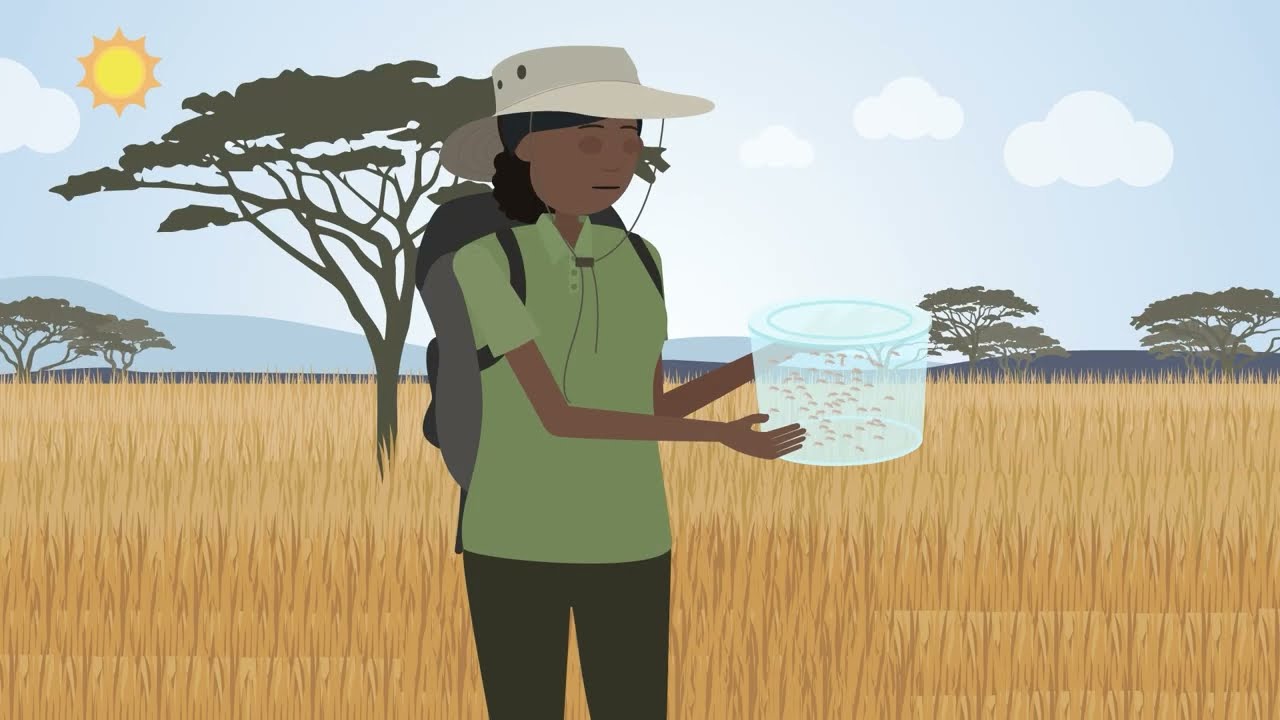
This video explains gene drive technology for malaria control, showing how CRISPR-Cas9 can create mosquitoes with nearly 100% inheritance of modified genes. It contrasts two approaches: population suppression (reducing mosquito numbers) and population replacement (making mosquitoes unable to transmit malaria), while outlining how success is measured through disease reduction and community acceptance.

Featured

Stakeholder Engagement in Gene Drive Research

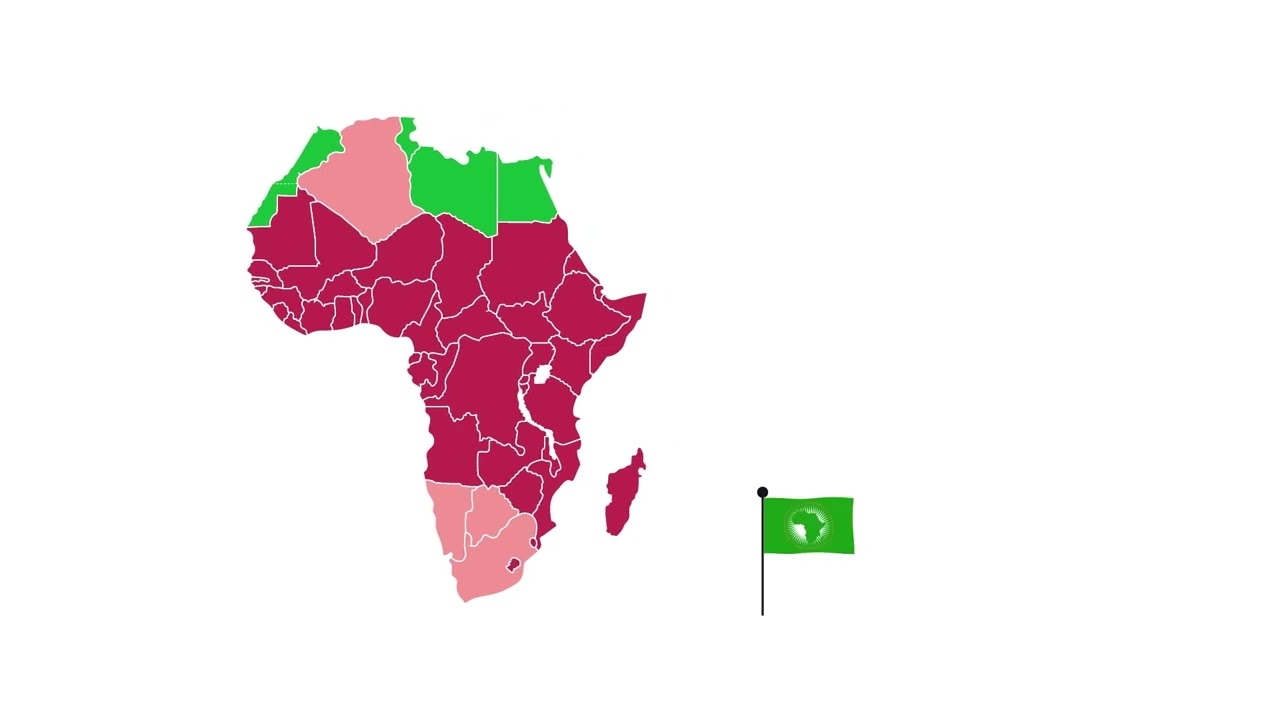
This video explores the regulatory challenges of gene drive technologies for malaria control. It highlights existing international frameworks like the Convention on Biological Diversity and WHO guidelines, while showing how the African Union is helping countries develop appropriate oversight mechanisms to assess both risks and benefits before potential implementation.